5 Reasons Whole Seaweed Skincare is Better than Synthetics
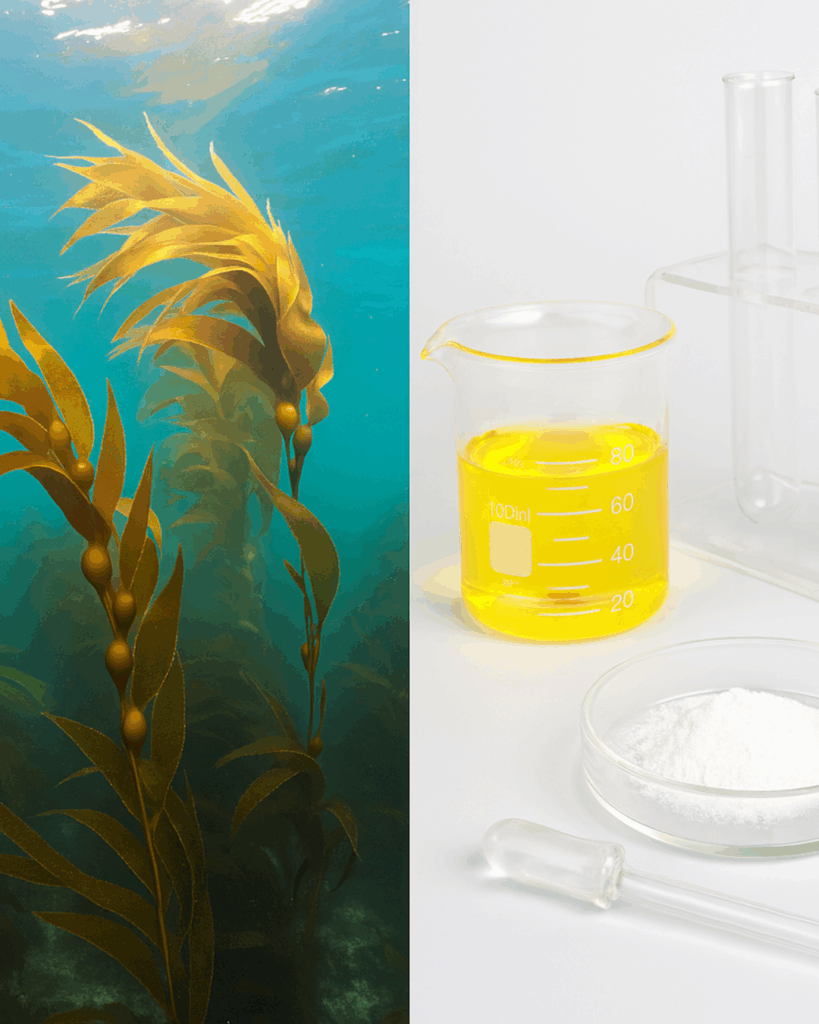
We all want that healthy, glowing skin, right? It’s no wonder we’re looking closer at what’s in our skincare. The choices we make today really do impact our skin down the road. So, are the ingredients in your favorite products helping or hurting? It’s important to know the difference between what’s truly nourishing and what’s just a chemical cocktail. Let’s break down what your skin actually needs and why choosing the right ingredients matters.
Key Takeaways
- Whole food skincare uses ingredients directly from nature, keeping their natural compounds intact for maximum benefit.
- Synthetic ingredients are created in labs, often isolated compounds that might not work as well with your skin.
- Nature’s design, like in whole seaweed, offers a complete package of nutrients that work together, unlike single isolated ingredients.
- While science supports the benefits of natural ingredients, not all ‘natural’ products are created equal; look for whole, unadulterated sources.
- Choosing skincare made with whole, natural ingredients means you’re giving your skin the complete nourishment it craves, mirroring how it functions best.
Introduction
We’re constantly bombarded with messages about what our skin needs to look its best. Often, these messages point towards complex, lab-created formulas promising quick fixes. But have you ever stopped to think about where these ingredients come from and how they actually interact with your skin? It’s easy to get lost in the marketing jargon, but understanding the basics of skincare ingredients is key to making informed choices for your skin’s health. The truth is, your skin is a living, breathing organ, and it often responds best to ingredients that are as close to their natural state as possible.
Many products on the market rely on isolated or synthetic compounds. While these can sometimes offer targeted benefits, they often lack the full spectrum of nutrients found in their natural counterparts. Think of it like eating a vitamin pill versus eating a whole fruit. The pill might give you a specific nutrient, but the fruit offers a complex package of vitamins, minerals, fiber, and other compounds that work together. The same principle applies to skincare.
We’ll explore the differences between ingredients derived from whole plants and those that are synthesized or isolated in a lab. This isn’t about labeling one as inherently
What Are Whole Food Skincare Ingredients?
When we talk about whole food skincare ingredients, we’re basically talking about using the entire plant, or a significant part of it, in its natural state. Think of it like eating a whole apple versus just drinking apple juice. The apple has all its fiber, vitamins, and antioxidants working together. Skincare is similar. These ingredients are used in their unrefined form, meaning they haven’t been broken down into isolated compounds in a lab. This approach aims to capture the full spectrum of nutrients and beneficial compounds that nature intended.
The idea is that these ingredients work better together, in a sort of natural synergy, than any single component would on its own. For example, a whole berry might contain vitamin C, but it also has flavonoids and other phytonutrients that help stabilize the vitamin C and make it more effective for your skin. It’s about getting the complete package, not just one piece.
Here’s a breakdown of what that often looks like:
- Unprocessed Botanicals: This includes things like whole herbs, flowers, fruits, and vegetables that are used directly or minimally processed.
- Minimal Extraction: While some gentle processing might occur, the goal is to keep the ingredient as close to its natural form as possible, preserving its natural balance.
- Full Spectrum Nutrients: Instead of isolating a single vitamin or mineral, whole ingredients bring a range of beneficial compounds that can support skin health more holistically.
This is different from how many conventional products are made, which often use isolated or synthetic versions of single ingredients. The belief here is that nature knows best, and by using ingredients in their whole form, we’re giving our skin the most complete and effective nourishment it can get. It’s about respecting the plant’s natural composition and how it can benefit your skin concerns.
The beauty industry has pushed the idea that we need highly processed, lab-created ingredients for results. But nature provides everything we need, often in forms that are more gentle and effective when used as intended by the plant itself.
So, instead of a lab-synthesized version of a single vitamin, you might find a product that uses rosehip oil, which contains natural vitamin C along with other fatty acids and antioxidants that help your skin absorb and utilize it properly. It’s a more gentle, yet powerful, way to care for your skin.
What Are Synthetic or Isolated Ingredients?
Synthetic or isolated ingredients are essentially the building blocks of skincare, pulled apart and often recreated in a lab. Think of it like taking apart a whole meal and only using the salt, or maybe just the protein. These ingredients are often single molecules, like a specific vitamin or a particular acid, that have been isolated from their natural source or synthesized from scratch. Brands might choose these because they can be very potent and sometimes cheaper to produce in large quantities.
The idea is that by isolating a specific beneficial compound, you can deliver a concentrated dose directly to the skin. For example, instead of using a whole fruit extract that contains Vitamin C along with many other things, a brand might use pure ascorbic acid, which is a synthetic form of Vitamin C. This approach can be effective, but it also means you’re missing out on the other natural components that work alongside the main ingredient in its original form.
Why the fuss? Well, sometimes these isolated ingredients can be a bit much for the skin. Imagine eating pure salt – probably not the best idea! Similarly, a highly concentrated, isolated ingredient might be too harsh, leading to irritation or sensitivity. Plus, without the natural supporting cast of compounds found in whole ingredients, the skin might not absorb or utilize the isolated ingredient as effectively as it could.
Here’s a quick look at how they differ from whole ingredients:
- Single Focus: Targets one specific benefit (e.g., hydration, exfoliation).
- Lab-Created or Isolated: Often made in a lab or extracted and purified from a natural source.
- Potentially Harsh: Can be highly concentrated, sometimes leading to irritation.
- Missing Synergy: Lacks the natural co-factors and supporting compounds found in whole ingredients.
While synthetic ingredients can offer targeted results, it’s worth considering if your skin might benefit more from the complete package that nature provides. Sometimes, the whole is truly greater than the sum of its parts.
The Synergy of Whole Seaweed: Nature’s Intelligent Design
Think about it: nature doesn’t create ingredients in isolation. When you look at something like seaweed, it’s not just one single vitamin or mineral. It’s a whole package deal, a complex mix of things that work together. This is what we mean by synergy. Seaweed, for instance, is packed with over 60 different minerals, vitamins, antioxidants, and essential fatty acids. These components don’t just sit there; they interact, boosting each other’s effectiveness. It’s like a well-coordinated team where each player has a specific role, and together, they achieve something much greater than any single player could alone.
This natural combination means that the nutrients in whole seaweed are more readily accepted and used by your skin. They come with their own support system, the co-factors that help them do their job properly. Unlike isolated ingredients, which might need extra help or can sometimes cause irritation because they’re too concentrated or unbalanced, whole seaweed offers a gentler, more complete approach.
Here’s a look at what makes whole seaweed so special:
- Minerals: Seaweed is a powerhouse of minerals like iodine, magnesium, and potassium, which are vital for skin health and function.
- Vitamins: It contains a range of vitamins, including A, C, E, and K, all working together for antioxidant protection and skin repair.
- Antioxidants: Compounds like fucoxanthin help protect skin cells from damage caused by environmental stressors.
- Essential Fatty Acids: These help maintain the skin’s natural barrier, keeping it hydrated and supple.
The way these elements are naturally combined in seaweed means your skin gets a full spectrum of benefits, working in harmony rather than as a single, potentially harsh, isolated compound. It’s nature’s way of providing complete nutrition.
When you use skincare that features whole seaweed, you’re not just applying a single active ingredient. You’re giving your skin a complex, natural system that’s been perfected over millennia. It’s about working with your skin’s own biology, not against it, to achieve real, lasting health.
Does Science Support Whole Food Skincare?
It’s a fair question to ask if all this talk about whole ingredients actually holds up when you look at the science. For a long time, the beauty industry pushed the idea that you needed highly processed, lab-created ingredients to see real results. Think about synthetic Vitamin C, for example. While it can be effective, it’s often unstable and can sometimes irritate the skin, especially if it’s not formulated carefully. The thinking was that isolating a single active compound was the most efficient way to deliver benefits.
But science is always evolving, and we’re learning more about how ingredients work together. Nature often creates complex compounds that work in harmony, and this synergy can be more powerful than a single isolated ingredient. Think of it like eating a whole orange versus taking a Vitamin C pill. The orange has fiber, other vitamins, and natural compounds that all contribute to its overall health benefits. Similarly, whole plant ingredients in skincare can offer a broader spectrum of nutrients that your skin can recognize and use more effectively. Studies are increasingly looking at the benefits of botanical extracts and whole plant formulations, showing how they can provide antioxidant protection, reduce inflammation, and support the skin barrier. It’s not just about one molecule; it’s about the whole package.
The idea that isolating a single ingredient is always superior is being challenged by research into the complex interactions within whole plants. These natural combinations can offer a more balanced and gentle approach to skin health.
When we look at ingredients like seaweed, for instance, it’s not just one thing. It’s a whole ecosystem of minerals, vitamins, and polysaccharides. These components can work together to hydrate, soothe, and protect the skin. While specific compounds within seaweed are studied for their benefits, the true power might lie in how they all function as a unit. This is why many are turning to brands that focus on using these whole, unadulterated ingredients, recognizing that nature’s intelligence has been refining these formulations for centuries. It’s a shift from a purely chemical approach to one that respects the intricate design of the natural world for better skin health.
Why Seaflora Chooses Whole, Wild Seaweed — Not Extracts
You know, when we started Seaflora, it wasn’t about chasing trends or using the latest buzzwords. It was about looking at what nature actually provides and thinking, ‘How can we use this in its best form?’ That’s why we’re all about whole, wild seaweed, not just bits and pieces extracted in a lab.
Think about it like this: when you eat a whole orange, you get vitamin C, sure, but you also get all the other good stuff – the fiber, the natural sugars, the other vitamins and minerals that work together. It’s a package deal. Extracts are like taking just the vitamin C out of the orange and leaving everything else behind. It’s not the same, is it?
Seaweed is incredibly complex. It’s packed with over 60 different minerals, vitamins, antioxidants, and unique compounds like fucoidans. When you just extract one or two things, you miss out on the magic that happens when all these components work together. We believe that the synergy found in whole seaweed is what makes it so powerful for skin.
Here’s a little breakdown of why we stick to the whole plant:
- Full Spectrum Nutrients: We get the complete profile of minerals, vitamins, and antioxidants that seaweed naturally offers. This means your skin gets a much broader range of benefits.
- Natural Bioavailability: The way these nutrients exist within the whole plant makes them easier for your skin to recognize and use effectively. It’s like the plant already did the work to make them skin-friendly.
- Gentle Yet Effective: Because we’re not isolating and concentrating single compounds, the whole seaweed is naturally gentler. This helps avoid the irritation that can sometimes come with highly concentrated, isolated ingredients.
- Preserving Potency: The natural structure of the seaweed helps protect its beneficial compounds from breaking down too quickly, meaning they stay active longer.
We’ve seen firsthand how using whole, unprocessed seaweed can make a real difference. It’s about respecting the plant and letting its natural intelligence do the work. It’s a simpler approach, maybe, but we think it’s the most honest and effective way to care for your skin.
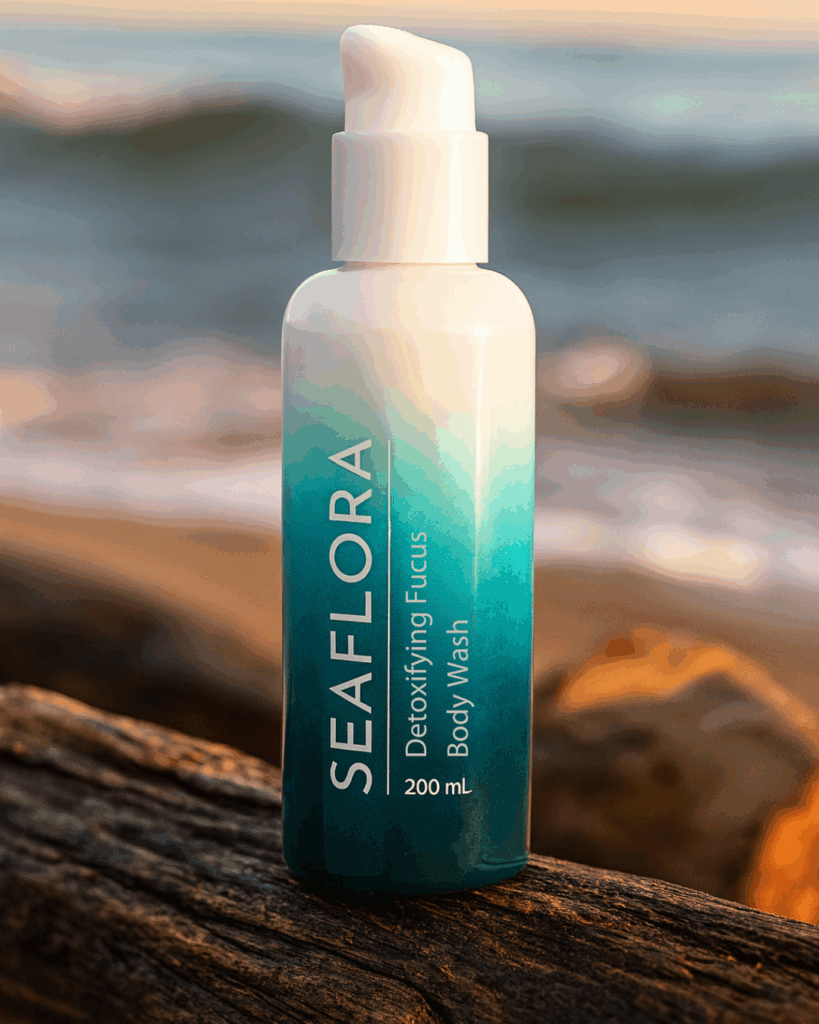

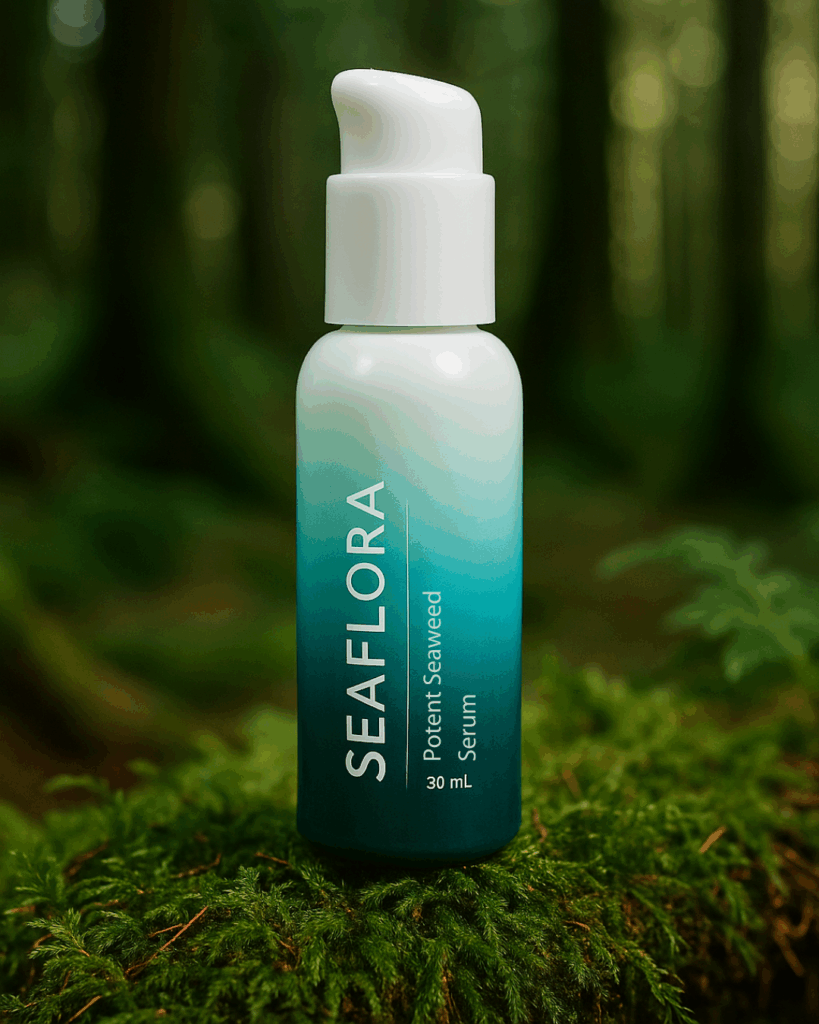
Spotlight on Products That Showcase Whole Seaweed Benefits
It’s really something when you find skincare that actually works with your skin, not against it. Brands that focus on whole, unprocessed ingredients, like seaweed, are showing us what nature can really do. Instead of just isolating one bit of a plant, they’re using the whole thing, letting all those natural compounds work together.
Think about it: seaweed is packed with all sorts of good stuff – vitamins, minerals, antioxidants, and those unique polysaccharides that help with hydration and protection. When a product uses whole seaweed, it’s like giving your skin a complete meal, not just a vitamin pill. This means your skin gets a wider range of benefits that are more balanced and natural.
Here are a few ways brands are highlighting these whole seaweed benefits:
- Full Spectrum Hydration: Products that use whole seaweed extracts often focus on how the entire plant helps lock in moisture. This isn’t just about adding water; it’s about supporting your skin’s natural ability to hold onto it.
- Antioxidant Protection: The variety of antioxidants found in whole seaweed can offer better protection against daily environmental stressors compared to isolated compounds.
- Soothing Properties: Many people find that whole seaweed ingredients help calm irritated skin, likely due to the complex mix of soothing compounds present in the plant.
When you choose products with whole seaweed, you’re opting for a more complete, natural approach to skin health. It’s about respecting the plant’s natural design and letting its full potential benefit your skin.
It’s a different way of thinking about skincare, moving away from the idea that we need to break things down into tiny pieces to make them work. The synergy of whole ingredients is where the real magic happens.
The Takeaway: Your Skin Isn’t Synthetic — Why Should Your Skincare Be?
So, we’ve talked about how whole ingredients work with your skin, kind of like how a whole fruit gives you more than just one isolated vitamin. It’s about the whole package, the way everything works together. Your skin is a complex, living thing, and it makes sense that it would respond best to ingredients that are also whole and natural.
Think about it: your body craves real food, not just isolated nutrients in a pill, right? The same idea applies to your skin. When you use skincare made with whole, wild ingredients, you’re giving your skin a full spectrum of beneficial compounds that nature intended. This approach respects your skin’s natural processes, rather than trying to force a change with isolated chemicals.
The beauty industry often pushes the idea that stronger, more processed ingredients are better. But what if the real secret to healthy skin is simpler than that? What if it’s about working with your skin, not against it, using what nature provides?
It really comes down to what you want for your skin long-term. Are you looking for a quick fix that might cause problems down the line, or are you aiming for genuinely healthy, resilient skin? Choosing products that use whole, natural ingredients, like those found in natural skin care products, is a way to support your skin’s vitality. It’s about feeding your skin what it truly needs, in a form it can easily understand and use. Your skin isn’t manufactured; it’s alive. Giving it skincare that mirrors that natural complexity just makes sense.
So, What Does Your Skin Really Want?
Ultimately, the best skincare for you is the one that makes your skin feel good and look healthy. It’s not always a simple case of natural versus synthetic. Sometimes, a product might use a lab-made ingredient that’s perfectly safe and effective, while other times, a natural ingredient might be too harsh for your specific skin. The key is to pay attention to how your skin reacts and to choose products with ingredients you understand and trust. Don’t be afraid to experiment a little, but always keep your skin’s unique needs at the forefront. Your skin is trying to tell you something; it’s up to us to listen.
Frequently Asked Questions
What’s the big deal between whole ingredients and synthetic ones in skincare?
Think of it like eating a whole apple versus just taking a vitamin C pill. A whole apple has fiber, vitamins, and other good stuff that work together. Synthetic ingredients are like isolated vitamins made in a lab. While they can be helpful, they might not give your skin the full range of benefits that natural, whole ingredients offer. Your skin often does better with the complete package nature provides.
Are synthetic skincare ingredients always bad?
Not necessarily. Some synthetic ingredients are safe and effective, and sometimes they are needed to make a product work well or last longer. However, many synthetic ingredients are used because they are cheap and easy to make, and some can be harsh or cause problems for your skin over time, like irritation or sensitivity. It’s more about knowing what’s in your products and why it’s there.
Can natural ingredients be irritating?
Yes, they can. Just because something comes from nature doesn’t automatically mean it’s gentle for everyone. Some natural ingredients, like certain essential oils or citrus extracts, can be too strong for direct use on the face and might cause irritation or sensitivity for some people. It’s important to use products with natural ingredients that are carefully chosen and prepared for skincare.
Why is ‘whole’ better than just one active ingredient?
Nature is smart! Ingredients found together in plants, like seaweed, often have other natural helpers called co-factors. These helpers make the main ingredient work better and be easier for your skin to absorb. When you use just one isolated ingredient, you might miss out on these helpful partners, and your skin might not get the full benefit or could even react poorly.
How can I tell if a skincare product is truly using whole ingredients?
Look closely at the ingredient list. If you see a long list of complex chemical names, it might lean more towards isolated or synthetic ingredients. Products that focus on whole ingredients often highlight the plant source, like ‘whole seaweed extract’ or ‘rosehip oil’. It’s also helpful to research brands that are open about their ingredient sourcing and philosophy.
Does using whole ingredient skincare mean I have to avoid all lab-made ingredients?
It’s not always about avoiding everything synthetic. It’s more about making informed choices. Many great skincare products use a mix of natural and carefully chosen synthetic ingredients to ensure effectiveness, stability, and safety. The key is to choose products where the natural, whole ingredients are the stars, and any synthetic ones are there for a good reason and are safe for your skin.
Resources
Unveiling the Carnivore Diet: Exploring Benefits for Blood Sugar Sensitivities and Acne
Plant-Based Foods for Chronic Skin Diseases: A Focus on the Mediterranean Diet – PMC