REVEAL: Why Algae Is Better Than Your Harsh Acid Peel
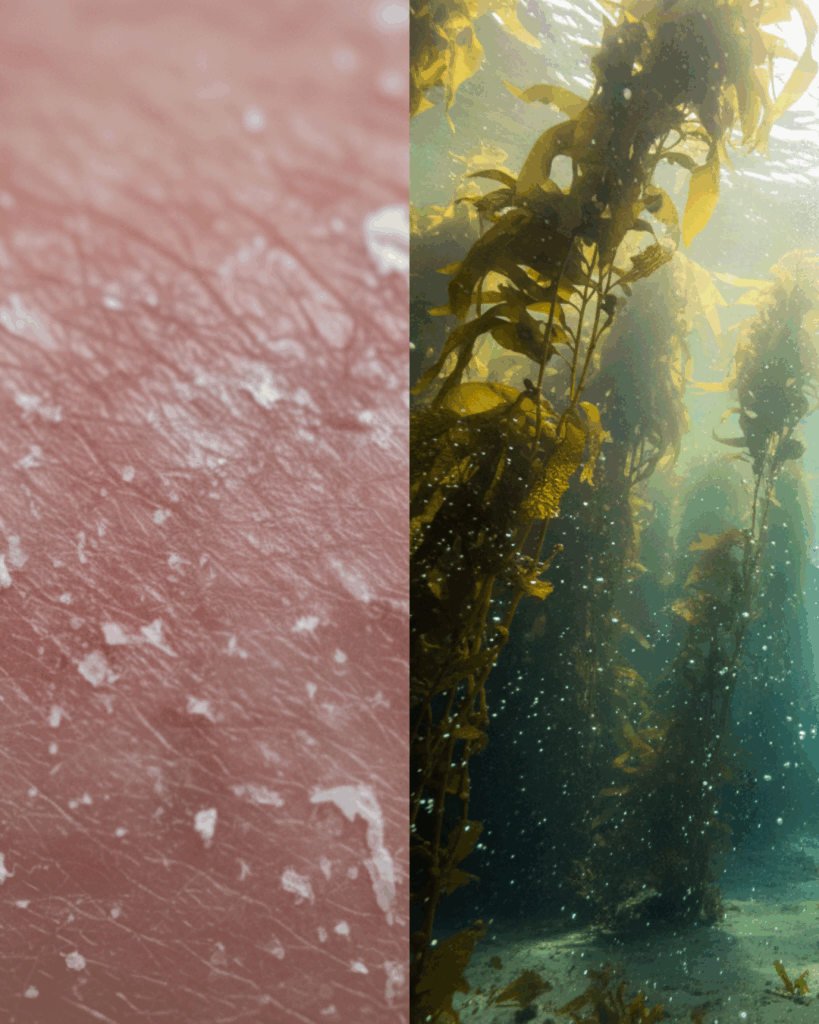
So, we all want that smooth, fresh skin, right? For a long time, the go-to for getting rid of old skin cells was using strong chemical exfoliants. Think acids that really do a number on your skin. But lately, there’s been a shift. People are starting to look for gentler ways to get that glow. And guess what’s popping up as a top contender? Ingredients from the ocean, specifically from algae. It turns out these marine goodies might be the answer to getting renewed skin without all the harshness. We’re talking about marine glycan exfoliants, and they’re changing the game.
Key Takeaways
- Harsh chemical exfoliants can strip the skin, leading to irritation and redness, making renewal a risky process.
- Marine glycan exfoliants, derived from algae, offer a gentler approach to skin renewal, supporting the skin’s natural processes.
- Algae-based ingredients are packed with nutrients and have calming properties, making them a soothing alternative to aggressive acids.
- Choosing algae over chemical exfoliants aligns with a desire for cleaner, more sustainable skincare practices.
- Integrating marine glycan products into your routine can lead to smoother, healthier-looking skin with less irritation.
The Exfoliation Dilemma: When Renewal Becomes a Red Flag
So, we all want that fresh, glowing skin, right? The idea of shedding old, dull cells to reveal something brighter underneath sounds pretty good. For ages, the go-to method for this has been chemical exfoliants. Think acids – like AHAs and BHAs – that do the heavy lifting. They work by dissolving the ‘glue’ that holds dead skin cells together, essentially forcing them to peel away. It can definitely work, giving you that smoother texture and more even tone.
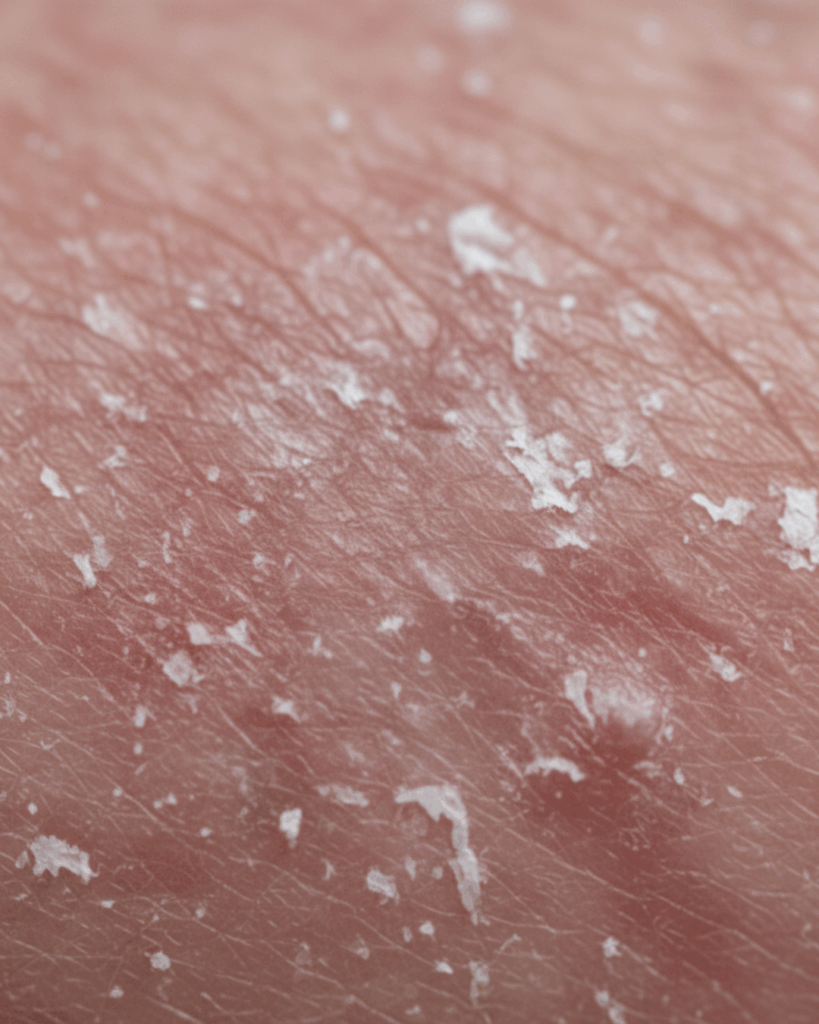
But here’s the thing: this ‘renewal’ can sometimes feel more like an attack. These strong acids, while effective, can also strip away healthy skin cells and disrupt your skin’s natural barrier. This can lead to redness, irritation, and even make your skin more sensitive to the sun. It’s like using a bulldozer when you really just needed a gentle sweep. The quest for smoother skin shouldn’t come at the cost of your skin’s health.
We often see ingredients like glycolic acid (sometimes called hydroacetic acid) or salicylic acid listed. They’re known for their exfoliating power, but they can be pretty aggressive. It’s a delicate balance, and honestly, it’s easy to go too far, especially if you’re not super careful or if your skin is already a bit sensitive. It makes you wonder if there’s a better way to get that refreshed look without the potential drama.
Here’s a quick look at what can happen:
- Over-exfoliation: This is the big one. It happens when you use strong acids too often or in too high a concentration. Your skin can become red, flaky, and feel tight or even painful.
- Increased Sensitivity: Your skin’s protective barrier gets weakened, making it more prone to irritation from other products or environmental factors.
- Breakouts: Sometimes, stripping the skin too much can actually cause it to overproduce oil to compensate, leading to more acne.
- Hyperpigmentation: For some skin tones, irritation from harsh exfoliants can lead to dark spots forming.
It feels like we’re constantly trying to fix our skin, but sometimes the ‘fixes’ cause more problems. It’s a cycle that leaves you feeling a bit frustrated, searching for something that actually helps without causing a reaction. This is where the idea of a gentler approach really starts to shine.
Understanding the Acid Approach: Stripping vs. Supporting
For a long time, the go-to method for getting that smooth, “renewed” skin look involved acids. Think of it like a chemical peel, but often in a milder form for at-home use. These acids work by dissolving the ‘glue’ that holds dead skin cells together on the surface of your skin. It’s a pretty direct way to get rid of dullness and reveal fresher skin underneath.
There are a few main types of acids people talk about:
- Alpha Hydroxy Acids (AHAs): These are usually derived from fruits or milk, like glycolic acid (from sugar cane) or lactic acid (from milk). They’re water-soluble and work more on the skin’s surface. They’re great for tackling surface texture and tone.
- Beta Hydroxy Acids (BHAs): The most common one here is salicylic acid. Unlike AHAs, BHAs are oil-soluble, which means they can get into your pores. This makes them really good for anyone dealing with blackheads, whiteheads, or general pore congestion.
- Poly Hydroxy Acids (PHAs): These are like the gentler cousins of AHAs. They have larger molecules, so they don’t penetrate the skin as deeply, making them a much milder option. Gluconolactone is a good example of a PHA, and it can also help hydrate the skin while it exfoliates.
While these acids can definitely make your skin look brighter and feel smoother, they aren’t always the most supportive approach. Because they’re actively breaking down skin cells, they can sometimes be a bit harsh. This can lead to redness, irritation, or even increased sensitivity, especially if you have delicate skin or use them too often. It’s a bit like stripping away the old without always thinking about what the skin needs to rebuild. Some acids, like citric acid, are also used as preservatives or pH adjusters in skincare products, showing their versatile chemical nature.
The core idea behind acid exfoliation is to speed up the skin’s natural shedding process. While effective, this aggressive approach can sometimes disrupt the skin’s natural barrier if not managed carefully, leading to a cycle of irritation and repair.
It’s a balancing act, for sure. You want to shed dead skin, but you also don’t want to leave your skin feeling raw or compromised. This is where understanding the difference between just ‘stripping’ the skin and truly ‘supporting’ its renewal process becomes really important. For many, the aggressive nature of chemical exfoliants can be a concern, prompting a search for gentler alternatives.

The Algae Revolution: Introducing Marine Glycans for Stress-Free Renewal
Okay, so we’ve talked about the whole acid thing and why it can be a bit much for our skin. Now, let’s get to the good stuff: the algae revolution. This is where marine glycans come in, offering a way to refresh your skin without all the drama. Think of it as a gentle nudge rather than a harsh shove.
What exactly are marine glycans? They’re basically complex sugar molecules found in marine algae. These aren’t just random bits of seaweed; they’re packed with compounds that our skin can actually use. They work with your skin’s natural processes, helping it to look and feel better. It’s all about working with your skin, not against it.
Here’s a quick look at what these marine wonders can do:
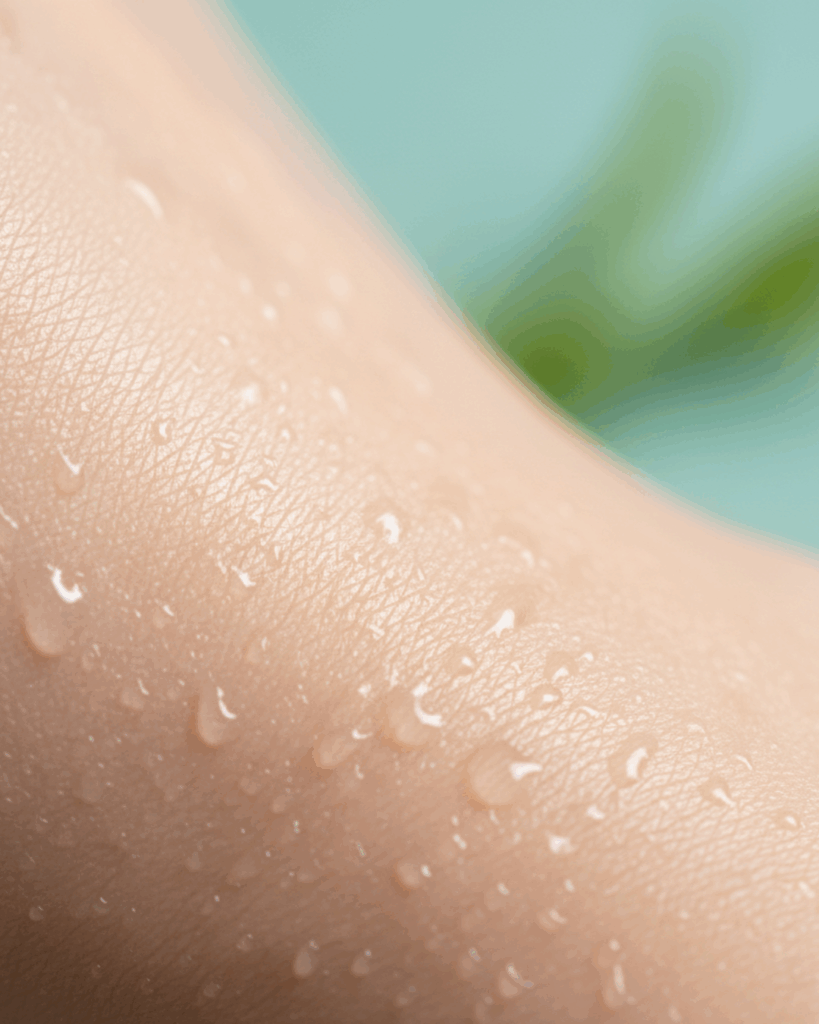
- Hydration Boost: Marine glycan extracts, like those from brown seaweed, are fantastic at holding onto water. This means your skin stays plump and moisturized, which is a big deal for that smooth, youthful look.
- Soothing Properties: Many algae extracts have anti-inflammatory benefits. This is super helpful if your skin gets easily irritated or red from other treatments. They help calm things down.
- Nutrient Rich: Algae are like little powerhouses of vitamins, minerals, and antioxidants. These help protect your skin from daily stressors and support its natural repair functions.
It’s pretty amazing how something from the ocean can be so beneficial for our faces. Unlike strong acids that can strip away layers of skin, marine glycans work more subtly. They support the skin’s barrier and encourage its own renewal processes. This makes them a great choice for pretty much anyone, especially those with sensitive skin or anyone tired of the redness and peeling that often comes with harsher exfoliants. You can find these beneficial ingredients in many modern skincare products, like those focusing on gentle skin renewal.
The idea is to mimic the ocean’s own resilience and ability to regenerate. By using ingredients that are naturally compatible with our skin’s structure, we can achieve renewal without causing stress or damage. It’s a more harmonious approach to skincare.
So, instead of looking for the strongest acid, the future of exfoliation is looking towards the sea. It’s a cleaner, calmer, and more sustainable way to get that refreshed skin we all want.
Side-by-Side: Why Algae is the Sustainable, Calming Choice
So, we’ve talked about the harshness of acids and how they can sometimes do more harm than good. Now, let’s look at the other side of the coin: marine glycan-based exfoliants, specifically those derived from algae. It’s a pretty big shift, and honestly, a welcome one for anyone with sensitive skin or just a general desire for gentler methods.
Algae offers a fundamentally different approach to skin renewal. Instead of aggressively stripping away dead skin cells, algae-based ingredients work more harmoniously with your skin’s natural processes. Think of it less like a power wash and more like a gentle, nourishing rain. These marine extracts are packed with beneficial compounds like antioxidants, minerals, and vitamins. They don’t just remove; they also replenish and support. For instance, ingredients like hydrolyzed algin, derived from brown algae, are known for their soothing and calming properties, helping to reduce irritation while still promoting smoother skin. It’s a win-win.
Here’s a quick breakdown of why algae stands out:
- Sustainability: Many algae are rapidly renewable resources, often harvested with minimal environmental impact. This makes them a much greener choice compared to the synthetic processes sometimes involved in creating chemical exfoliants.
- Calming Properties: Unlike acids that can cause redness and stinging, algae extracts are generally well-tolerated, even by sensitive skin types. They often contain compounds that actively soothe and reduce inflammation.
- Nutrient Richness: Algae are like little powerhouses of skin-loving nutrients. They provide vitamins, minerals, and phytonutrients that help nourish and protect the skin barrier while they work.
- Hydration Boost: Many algae-derived ingredients, like algin, have humectant properties, meaning they help draw moisture to the skin and keep it there, contributing to a plumper, more hydrated appearance.
When you compare this to the potential downsides of strong acids – like increased sun sensitivity, the risk of over-exfoliation, and irritation – the choice becomes clearer. Algae-based skincare feels like a more intelligent, kinder way to achieve that refreshed look. It’s about working with your skin, not against it. If you’re looking for a way to revitalize your complexion without the drama, exploring products with marine extracts is definitely worth considering. It’s a gentler path to smoother, healthier-looking skin, and frankly, it just feels better.
The Seaflora Routine: Integrating Stress-Free Renewal
So, you’re ready to ditch the harsh stuff and embrace a gentler way to get that fresh, renewed skin? That’s where building a routine with marine glycans really shines. It’s not about stripping your skin; it’s about working with it. Think of it like this: instead of a harsh scrub that leaves your skin feeling raw, you’re giving it a nourishing bath.
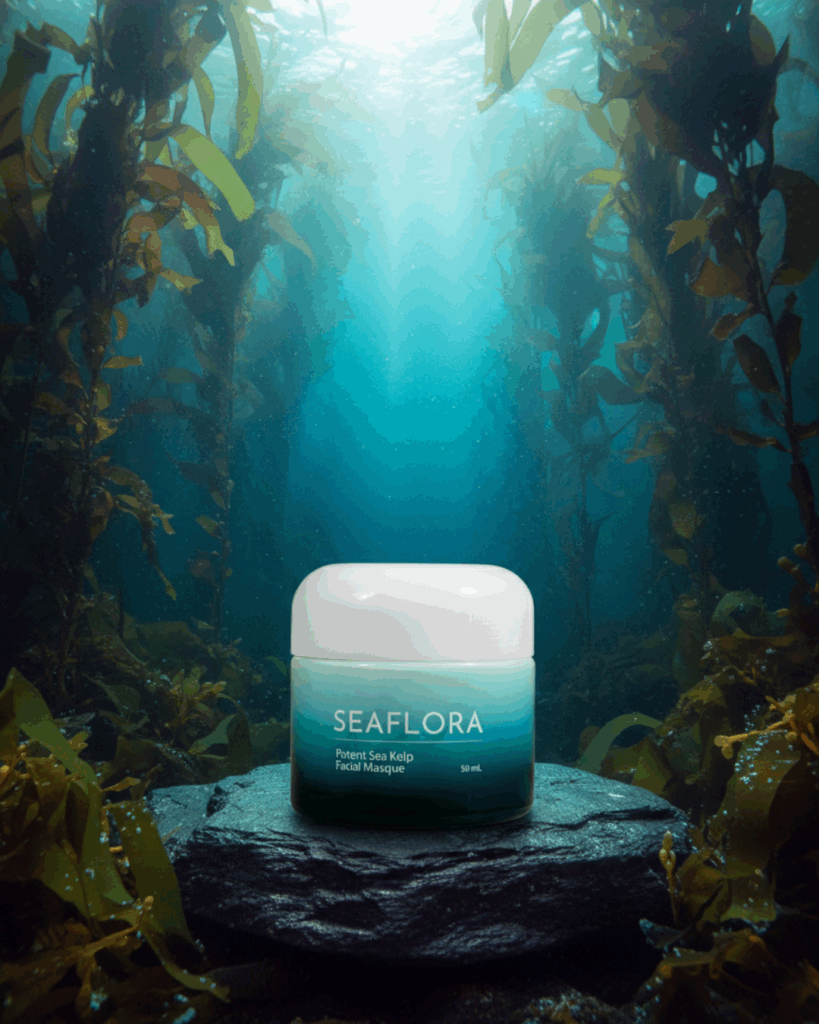
Integrating these sea-derived ingredients into your daily or weekly regimen is pretty straightforward. The key is consistency and choosing products that play well together. You’re looking for ingredients like Mazzaella, known for its antioxidant properties, or Nereocystis, a brown algae that acts as a great emollient. These aren’t just fancy names; they’re packed with benefits that support your skin’s natural processes.
Here’s a simple way to think about incorporating them:
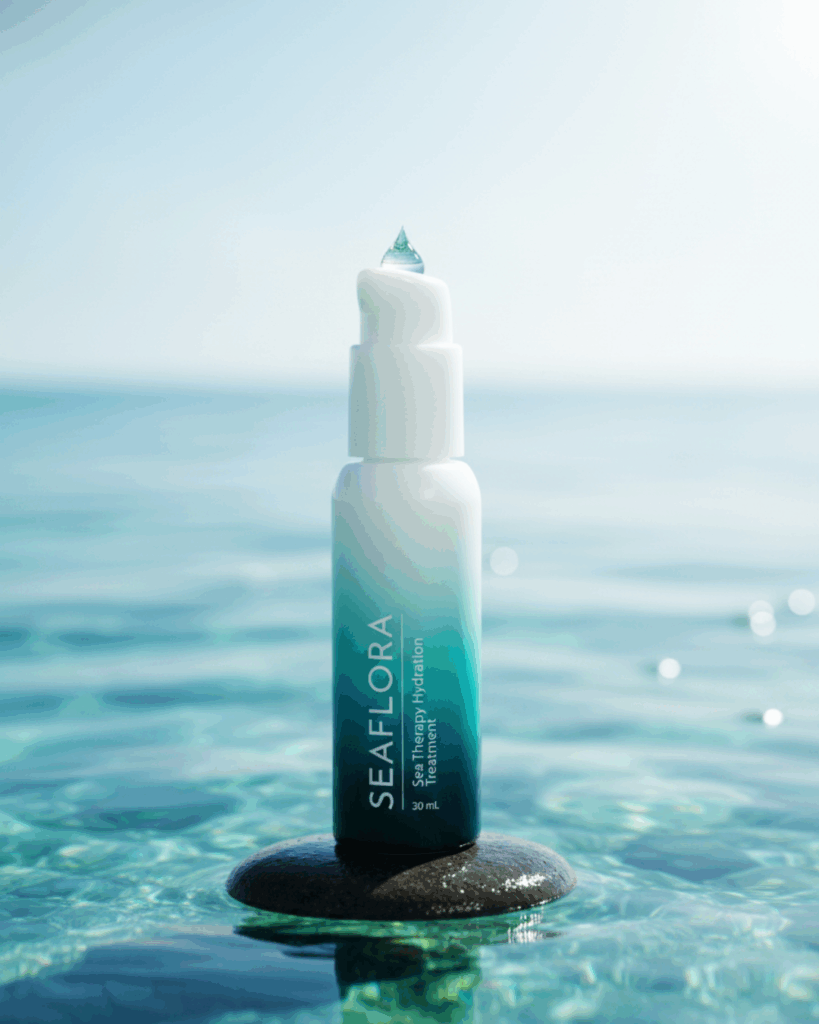
- Daily: Start your day with a cleanser that contains gentle marine extracts. Follow up with a serum or moisturizer featuring ingredients like Fucus Vesiculosus Extract (bladderwrack) for its soothing and hydrating qualities. This helps protect your skin barrier throughout the day.
- Weekly: Introduce a mask or a treatment that uses ingredients like sea salt for a mild exfoliation, or a more potent algae extract for deeper nourishment. This is your chance to give your skin a little extra boost.
- Listen to Your Skin: This is the most important step. If your skin feels sensitive, scale back. Marine glycans are designed to be calming, so they should feel good, not irritating. Pay attention to how your skin responds and adjust accordingly.
The beauty of marine glycans is their ability to mimic components naturally found in our skin. This means they work in harmony with your skin’s own systems, promoting renewal without causing distress. It’s a more intelligent approach to skincare, focusing on long-term skin health rather than quick fixes that can cause damage.
Many brands are now focusing on these types of ingredients, recognizing their power. You can find amazing products that have won awards for their use of natural components. It’s a whole new wave of skincare that feels good and does good for your skin. Making the switch means you’re choosing a path towards healthier, more resilient skin, supported by the ocean’s own bounty. You can explore some of these award-winning natural ingredients here.
The Future of Exfoliation is Blue and Clean
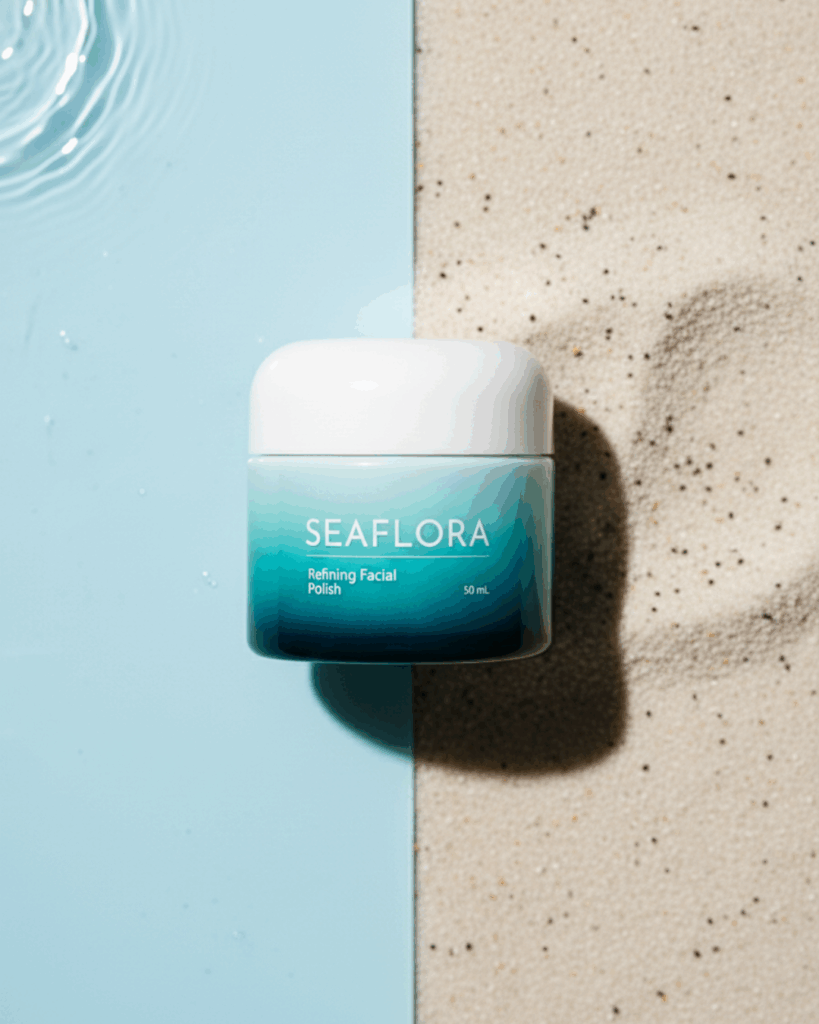
So, where does all this leave us? It looks like the skincare world is really starting to lean into gentler, more natural ways to get that smooth, bright skin we all want. Instead of harsh acids that can leave your face feeling raw, we’re seeing a big shift towards ingredients from the ocean, like marine glycan compounds. These aren’t just buzzwords; they’re showing up in products because they actually work, and they do it without all the drama.
Think about it: the ocean is full of amazing things that have evolved over millions of years to protect themselves and thrive. Marine glycan extracts are part of that. They’re like nature’s own skincare experts, packed with stuff that can help your skin renew itself, stay hydrated, and even fight off damage from the environment. And the best part? They’re usually much kinder to your skin than those strong chemical exfoliants.
Here’s a quick look at why this blue-sky thinking is catching on:
- Less Irritation: Marine-based ingredients tend to be less likely to cause redness or stinging. Your skin barrier stays happier.
- Hydration Boost: Many sea-derived ingredients are fantastic at holding onto moisture, which is key for plump, healthy-looking skin.
- Nutrient Rich: Algae and other sea botanicals are loaded with vitamins, minerals, and antioxidants that feed your skin.
- Environmental Friendliness: As we become more aware of our planet, sourcing ingredients sustainably from the ocean makes a lot of sense. It’s a cleaner approach all around.
The move towards marine glycan exfoliants isn’t just a trend; it’s a response to what our skin needs and what we, as consumers, are asking for: effective skincare that doesn’t compromise our skin’s health or the planet’s well-being. It’s about working with your skin, not against it.
We’re moving away from that ‘strip it all back’ mentality. The future is about supporting your skin’s natural processes with ingredients that are both powerful and gentle. It’s clean, it’s effective, and honestly, it just feels better. The ocean has given us so much, and it’s exciting to see it being tapped for such beneficial skincare innovations.
Conclusion
So, we’ve talked a lot about how harsh acids can sometimes do more harm than good when we’re trying to get that fresh, renewed skin. It’s like using a scrub brush on a delicate painting – you might get some dirt off, but you risk damaging the whole thing. The shift towards marine glycans, these amazing compounds from algae, is a pretty big deal. They offer a gentler way to help your skin shed old cells and reveal the newer ones underneath, without all the redness and irritation.
Think about it: instead of forcing your skin to peel with strong chemicals, you’re working with its natural processes. Algae-based ingredients are packed with things like antioxidants and skin-conditioning agents that not only exfoliate but also support your skin’s health. It’s a more supportive approach, helping your skin feel calmer and look brighter. This move towards sustainable skincare is really picking up steam, and for good reason. We’re seeing products that are kinder to our skin and the planet.
The future of exfoliation is definitely looking bluer and cleaner. It’s about getting results without the harsh side effects, and marine glycans are leading the charge. If you’re looking for a way to refresh your complexion that feels more like a treat than a trial, exploring products with these sea-derived ingredients is a great next step. You might just find that your skin thanks you for making the switch to a gentler, more natural renewal process. It’s a smart way to help your epidermis regain its youth and vitality.
Here’s a quick rundown of why this change makes sense:
- Gentler Renewal: Less irritation, more comfort.
- Skin Support: Ingredients that also condition and protect.
- Environmental Benefit: Often sourced more sustainably.
- Calming Effect: Works with your skin, not against it.
It’s a win-win, really. Better for your skin, better for the environment. What’s not to like about that?
Frequently Asked Questions
What are marine glycans and why are they good for skin?
Marine glycans are special sugar-like molecules that come from algae, which are sea plants. Think of them like tiny helpers from the ocean! They’re great for your skin because they can help it hold onto moisture, making it feel soft and plump. They also have things in them that protect your skin and can calm it down if it’s feeling a bit angry or red.
How are marine glycans different from chemical exfoliants like glycolic acid?
Harsh chemical exfoliants, like some acids, work by basically dissolving the ‘glue’ that holds dead skin cells together. This can be effective, but sometimes it’s too strong and can irritate or damage your skin. Marine glycans, on the other hand, offer a gentler way to refresh your skin. Instead of stripping it away, they work more like a supportive friend, helping your skin renew itself without all the harshness.
Can algae-based exfoliants cause irritation?
Generally, no! Algae extracts are known for being super gentle. Unlike strong acids that can sometimes lead to redness or stinging, the natural ingredients from algae are usually calming and soothing. They provide renewal benefits without making your skin feel stressed out or uncomfortable.
Are products with marine glycans better for sensitive skin?
Yes, they often are! If your skin gets easily upset by strong products, marine glycans can be a game-changer. Because they are naturally derived and have calming properties, they offer a way to get smoother, brighter skin without the risk of irritation that often comes with harsher chemical treatments.
How do I start using algae-based skincare products?
It’s easy to add these gentle wonders to your routine! You can look for cleansers, serums, or masks that feature ingredients like ‘algae extract’ or ‘marine glycan.’ Start by using them a few times a week, just like you might with other exfoliants, and see how your skin responds. You’ll likely notice your skin feeling refreshed and happy.
Is using algae for skincare good for the environment?
Absolutely! Many skincare brands that use algae are committed to sustainable sourcing. This means they harvest the algae in a way that doesn’t harm the ocean or the environment. Choosing algae-based products is a great way to care for your skin while also being kind to our planet.
Resources
https://pmc.ncbi.nlm.nih.gov/articles/PMC6017965
https://pmc.ncbi.nlm.nih.gov/articles/PMC11509244
https://pmc.ncbi.nlm.nih.gov/articles/PMC5408258
https://pubmed.ncbi.nlm.nih.gov/28770671